PEST MANAGEMENT
Zealous Pest Control is Gauteng’s pest control experts. Our service covers all pests and vermin. We maintain a professional, discreet and prompt pest control service to both the residential and commercial areas of the province.
Wherever possible, we use the latest eco-friendly, natural and non-toxic substances, as well as the most up-to-date pest control equipment to ensure proper eradication of pests.
Our pest control teams are all professionals. They have been trained to carry out treatments in accordance with industry regulations and standards and always work to our own very high standards.
Our pest control services are available during week days throughout the year, and even during peak infestation times we can respond to problems with virtually no delay.
Our pest control services are available 24 hours a day, 7 days a week throughout the year, and even during peak infestation times we can respond to problems with virtually no delay.
Our pest control services are available 24 hours a day, 7 days a week throughout the year, and even during peak infestation times we can respond to problems with virtually no delay.
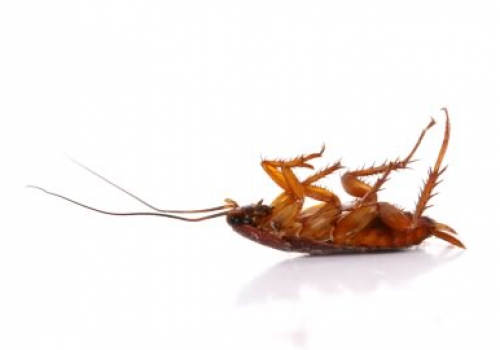
Our trained cockroach technicians will carry out a thorough inspection of your premises prior to any treatment. Once this has been established, the control technicians will carry out treatment to the appropriate areas, and offer further optional proofing.
Our trained and certified technicians constantly review methods and techniques to provide the most comprehensive solutions for mice and rat pest control.
Ants
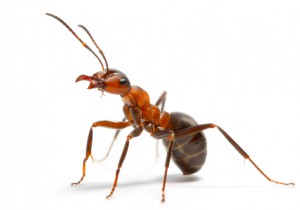
Ants are one of the most common pests found commercially and domestically. There are hundreds of known ant species and those which usually become pests are broadly divided into two main groups, Black Ants and Brown Ants. Ants have varying food preferences and constantly scavenge for food. Control methods are dependent upon many contributing factors including; species of ants, seasonal conditions, lifecycle stage and colony requirements. Ants often nest inside cavities between building levels, inside walls, roof voids and moisture affected timber. They can be difficult to control as they may track great distances from a colony in a neighbouring property. The prime objective of any control is to locate and treat the nest, which at times can be tedious and time consuming. Often holes may need to be drilled into walls and voids, such as inaccessible ceiling cavities, to reach the nest.
Ant Treatment
Interior treatment is usually in the form of Ant Baits which combine an attractant and a poison. These baits are quite effective, in that the poisons are designed to be transferred between the worker ants and ultimately taken back to the nest where eradication of the entire ant colony is achieved. External treatment around facilities and potential or actual access areas where ants may enter the buildings includes localised or barrier band insecticide application. Placement of specific ant bait gels and granules to areas of ant activity e.g. ant trails and around nests is also an effective methods of control.

Bed Bugs
Speculation has it that Bed Bugs originated from cave dwelling bats, where humans also resided. The bugs were eventually transported into urban environments where they evolved into various types, including the two species that commonly bite us. Bed Bugs are small reddish brown bugs. Both sexes and all stages of the lifecycle feed exclusively on blood – they prefer human blood. Anywhere a paper edge can be fitted is a large enough space for bed bugs to reside. The nymphs can readily take refuge in cracks and crevices too small to apply control agents (pesticide formulations) effectively hence the difficulty in firstly locating and then successfully eradicating an infestation. Bed Bug infestations can become heavy in a relatively short amount of time when they go unchecked. It is possible for a newly hatched bedbug to progress from egg to mature adult in 5 weeks. Adult Bed Bugs can endure long periods without a blood meal (6 to 12 months at 22 degrees), waiting, or lying dormant until a suitable host appears.
Bed Bug Treatment
Communication and education with our client is paramount in effective management of bed bugs. The ingredients for successful eradication of bed bugs are achieved through perseverance and regular inspection and treatment of all harbourage and breeding areas.
Bees and Wasps
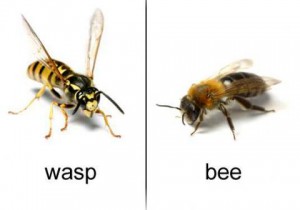
Bees and wasps are usually treated on an as needs basis. Although European Wasps and Bees are often considered as simply a nuisance pest and not thought to be as destructive as flies, this is a dangerous assumption. Their living habits are just as unsavoury as those of flies and they have the capability of carrying disease-causing pathogens in much the same way as flies. In addition, they are attracted to fruit and pastries and as a result often become hidden in the food. Death through wasp or bee sting in the throat is quite common.
Bees and Wasps Treatment
Treatment can vary based on the species involved and may require a liquid pesticide or dust application (depending on the location of the nest/hive). Chemical application may be best performed in the early morning or early evening when activity is minimal.
Bird Control
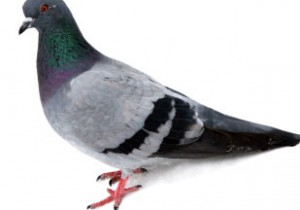
Zealous Pest Management offers a variety of methods and programs to assist with feral bird control. Nuisance birds, including feral pigeons, sparrows and Indian minors are commonly found in and around factories, warehousing complexes and roosting on building ledges.
Bird control requires a combination of pest management techniques and Zealous Pest Management can provide an integrated management solution to your bird problems. Left uncontrolled, bird problems may often lead to birds nesting and soiling building facades which can result in both extensive internal and external damage, plus a residual problem relating to mites that requires additional treatment.
Our fully trained technician will recommend a variety of control measures based on the individual site assessment. Preventative bird control options include; bird spikes, trapping, visual deterrents, narcotising, netting and shooting.
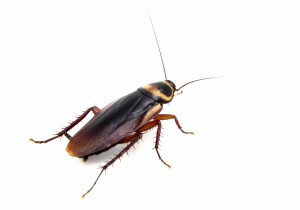
Cockroaches
Cockroaches are common to commercial premises. It is usually the species of cockroach and the extent of the infestation which are important considerations when structuring an effective control program.
Common cockroaches:
- German Cockroaches are predominantly found internally. Hygiene/housekeeping issues are a common cause, although some infestations can be introduced from external sources through delivery of goods.
- American, Australian and Smokey Brown Cockroaches are found predominantly in garden areas and can fly into buildings if screens and proofing are inadequate.
Cockroach Treatment
- Bait gels – The bait gels act as a food source for cockroaches. After being consumed, the bait interrupts the breeding cycles via cockroaches transferring the bait to each other through their habit of grooming each other.
- New Generation Low Toxic Chemicals. – The products Zealous Pest use are new generation, low toxic bait gels and Insect Growth Regulators. When used properly and in conjunction with each other both products provide effective long term control of cockroaches.
Cockroaches are treated by the placement of baits/gels in harbourage and/or feeding areas and also by the application of new generation pesticide formulations, to cracks, crevices, cavities, the rear of appliances and other potential harbourage areas around machinery etc.
Coupled with the use of Non – Toxic Monitor traps; this system has proved to be very successful at sites where cockroaches have been a problem. Exclusion and hygiene issues must be addressed to discourage re-infestation, as well as inspection and quarantine measures to check incoming goods in an effort to minimise the possibility of a cockroach infestation being introduced into the premises.
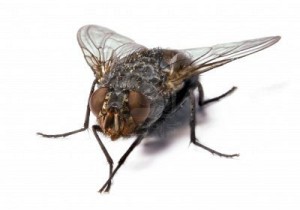
Flying Insect Control Units
The term flying insects can encompass almost all insects in some stage of their life cycle. However, in the context of the food industry, it has come to mean various species of houseflies, wasps and some stored product moths.
Several ranges of FICU
Zealous Pest offer ranges of FICU such as Chameleon, Starkey and Nector units. FICU’s are designed to attract a wide range of flying insects by the UV light attractant. These include; blow flies, house flies and moths. FICU’s are ideal for use in all food processing, food preparation and food storage areas. The UV attractant shatter proof tubes are replaced annually and the glue board design FICU holds all trapped insects and makes identification of species and numbers of trapped insects relatively reliable.

Fleas
Fleas are external parasites that live off the blood of mammals (including humans) and birds. They have mouths that can pierce skin and suck blood. There are over 2,000 species of fleas identified around the world. Fleas are a common problem for people who have pets within their home or work with animals. They have a hard, polished body with a very tough exterior, which is able to withstand great pressure. This means they are able to survive repeated attempts by animals and humans to eliminate them, such as a dog scratching his coat. And because their bodies are laterally compressed, fleas can move easily between the hairs or feathers on their hosts’ bodies.
Although they don’t have any wings, fleas are extremely agile, with long legs that are well adapted for jumping. In fact, most fleas can jump up to 18cm vertically and up to 33cm horizontally.This makes them one of the best jumpers (relative to body size) of all known animals, coming second only to the froghopper.
Flea Treatment and End-of-Lease Flea Service
Without an effective pest control program in place, fleas can be tricky to get rid of. This is why most rental properties will require tenants with pets to complete an end-of-lease flea service in order to get their bond refund. Zealous Pest works with real estate agents throughout Gauteng to provide flea treatments.

Rodent Monitoring and Baiting
Rodent lockable Bait Stations can target both Rats and Mice.
Rodents and mice are extremely important pests to closely monitor and control as they can cause great financial and potential health risks. Food spoilage and loss on an enormous global scale can be attributed to rodents through contamination and physical damage/consumption. It is estimated that
from one fifth, to one third of the world’s food supplies never reaches the mouths of consumers, due to losses attributed to rodents. Rodents are omnivorous, devouring all types of food and food based products and they require water, which, can be sourced from various contributing factors; condensation from machinery and service pipes, air-conditioning outlets, water pooling in drain traps.
Risks Involved in Rodent activity.
Rodents are carriers and transmitters of many diseases affecting humans. These include; Bubonic Plague, Typhus, Rat Bite Fever, Hantavirus, Leptospirosis, Rickettsial diseases, Trichinosis and most commonly seen in food poisoning bacteria such as Salmonella.
Secure Baiting.
All Zealous Pest rodent stations offer secure baiting to ensure rodents will not take the Rodenticide bait away with them. This is critical in food handling premises as it reduces the risk of cross contamination. Securing the bait allows peace of mind to clients as Rodenticide will not fall out of stations and affect untargeted species.
Number Bait Stations.
Zealous Peast rodent bait stations are strategically positioned depending on the individual site, program, requirements and secured into place. The rodent stations are usually installed around the perimeter of the building, fence lines, near entrances and in areas where the rodents may breed, hide or forage for food. All rodent stations are numbered and clearly identified on the site map housed in the service register.

Spiders
There are hundreds of known spider species in South Africa. Of these, there are only about a dozen or so species that are considered pests in the urban environment. Most spiders tend to be nocturnal, active at night and feed on almost any insect or other spider.
Spider control, like all pest control, needs to be a regular, consistent, process in order to prevent a minor, local infestation from developing into a widespread, established pest invasion. Spiders can be difficult to control, and depending on the species, favour different habitats. It can be extremely difficult locating spiders when they are concealed, however regular treatment spraying will assist in managing spider control.
Spider Treatment
The prime objective of any spider control treatment is to locate and directly treat spider harbourage and breeding sites; i.e all spiders currently residing in a building or structure. Spiders often nest / reside in concealed areas for example inside cavities between building levels, inside walls, roof voids, subfloors, drains and grease traps. The secret to successful spider control is to cover the spider with the chemical application thereby treating the spider directly. It is important to treat cracks and crevices, under seating, around down pipes, lighting, doorways, and windows externally and also, around commercial equipment where webbing may harbour spiders.

Termite and Timber Pest
Termite and borers can cause significant structural damage to any buildings constructed of timber and cellulose material. Early detection and preventative inspections carried out on the property can reduce the cost of repairs.
Your Zealous technician will:
- Inspect all buildings, structures and attachments containing timber and cellulose within the property boundaries
- Inspect timber fences, decks, pergolas, outbuildings, tress and landscape timbers within the property boundaries
Following an inspection, the technician will provide a detailed treatment program and quotation; which may include recommendations for monitoring, baiting systems, chemical soil treatments and termite colony location and eradication. All Zealous inspections are carried out in accordance with standard regulations.
Termite Management Programs
Our termite management and eradication program includes fully comprehensive or partial/localised termite management options. Zealous Pest provide a range of Termite Management solutions; including monitoring systems / termite interception and baiting programs/chemical soil treatments/dusting of termite activity in structures / testing of trees and stumps, with associated termite colony location and eradication / termiticide foaming of cavities, along with advice and guidance to the property owner.
Zealous Pest Timber Pest Inspectors are suitably qualified, trained and accredited to use proprietary systems and products e.g. Exterra Termite Monitoring and baiting systems and Termidor liquid termiticide and dust products.

Stored Product Pests
At the commercial level, constant vigilance is essential to maintain food free from insects on its journey from the farm to the consumers’ table. Stored Product Pests are regarded as critical pests within the food manufacturing industry, listed below is a brief description of these pests and the damage they can cause.
Primary Grain Pests
Primary grain pests are those insects which for the main part, attack and infest sound whole grains e.g wheat, oats, barley, rice and generally carry out the immature stages of their life cycle within a grain kernel. Such insects include the Rice and Granary weevils, the lesser grain borer and the Angoumois grain moth.
Secondary Grain Pests
Secondary grain pests prefer to infest broken grains, flour, cereal products and other products ranging from confectionery to dried meats and even including tobacco and pepper. Commonly encountered insects belonging to this group include the Sawtoothed grain beetle, Rust-red flour beetle, Mediterranean flour moth, Indian meal moth, Spider beetle, Flat grain beetle, Drugstore beetle and Tobacco beetle.
Other Types of Stored Product Pests
Weevils
Granary and Rice Weevils are most common; these pests feed on the whole grain and infest stored food.
Angoumois Grain Moth
This pest feeds on whole grains in fields and in storage. Infested stored grain has unpalatable taste and a sickening smell.
Indian Meal Moth
The most common pests of whole wheat and cornmeal are the Indian Meal Moth, which can attack a variety of other foods including cereals, dried milk and candy. This pest spoils more food than it consumes due to the webbing that it leaves behind.
Flour Beetles
There are two major species and they both feed on broken or damaged grain; all types of grain products, peas, beans, dried fruit, drugs and chocolates.
Saw Toothed / Merchant Grain Beetle
The Saw Toothed/Merchant Grain Beetle is omnivorous and can attack cereals, bread, flour, cake mixes, dried fruits, nuts, and dried meat as well as many other products, but cannot attack whole grain.
Cigarette Beetle
This pest feeds on damaged portions of grain, grain products, spices, dried fruits, meats and other items.
Drugstore Beetle
The Drugstore Beetle resembles the Cigarette Beetle, it feeds on broken or damaged grain and it infests household grain products, spices and drugs.
Mediterranean flour moth
The is pest infests a variety of broken grain products including flour, cereals, dog food, nuts seeds, chocolate and dried fruit. The larvae spin thread and small particles may break off and land in manufactured food product, thus infesting it.
Stored Product Pest Treatment
During the pest service, the technician will inspect specific areas, looking for stored product pest activity and will then recommend the appropriate treatment measures. Zealous Pest provides structured reports with detailed documentation and fully comprehensive audit services pertinent to Stored Product Pests treatment. Treatment methods may vary depending upon the level of infestation, the offending pest species and the product which has been contaminated. These methodologies range from pheromone monitoring, contaminated food removal, space spray treatment and/or fumigation.
Envirosol Automated Pest Control
Envirosol Technology is an automated misting and integrated pest management solution for the commercial sector. Envirosol uses liquid carbon dioxide under high pressure to dissolve and propel active ingredients of pesticides as aerosols in enclosed spaces.
The automated operation saves time and money and allows the pest control application to take place outside of operating hours. This provides great occupational health and safety benefits, reduces high labour costs and prevents human error. During the application, the pest control product is dispensed using fixed nozzles mounted on the roof line of the area being treated. When the product is dispensed and the liquid carbon dioxide is released, it immediately vaporizes leaving very small droplets of active ingredients suspended in the air.
Tests have shown that the diameter of these droplets is in the range of 2 to 20 microns and it is this droplet size that gives Envirosol Systems their advantages over other dispensing methods. The system is fail safe ensuring absolute safety for staff while delivering maximum results.
